

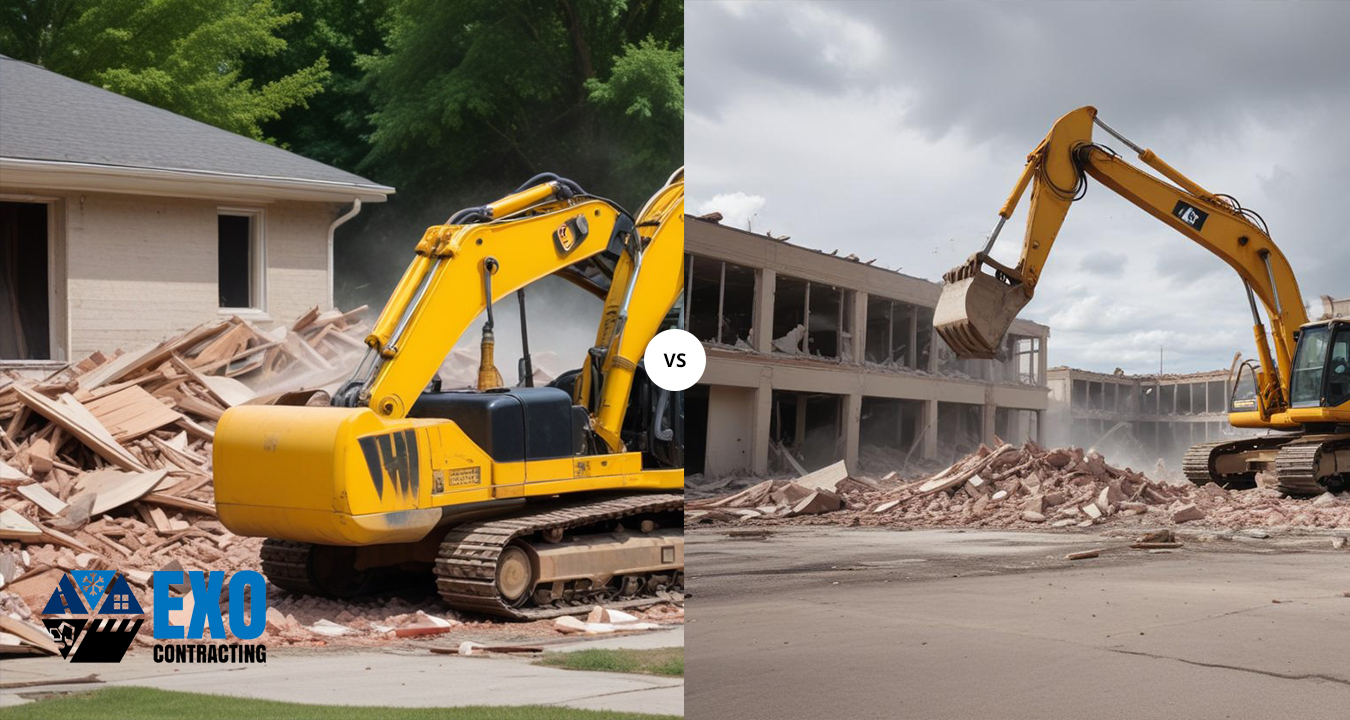
Demolition is a great part of the construction and renovation industry. It paves the way for something better, be it a new project, development, or improvement. But if you’ve ever wondered how the process works between residential and commercial projects, you’re not alone. Understanding the differences can help property owners make informed decisions when planning a demolition project. For professional demolition services in Abbotsford, here’s a guide on the key distinctions between residential and commercial demolition.
Scope and Scale
One of the primary differences between residential and commercial demolition is the scale of the project. Residential demolition typically involves smaller structures such as single-family homes, garages, or small outbuildings. These projects are usually straightforward focusing on dismantling and clearing the structure efficiently.
In contrast, commercial demolition deals with larger buildings and complexes including office buildings, warehouses, and retail spaces. These projects are more complex due to the size and structural components involved, often requiring specialized equipment and extensive planning to ensure a safe and effective demolition.
Regulatory Requirements
Both residential and commercial demolitions must adhere to local regulations and obtain the necessary permits. However, commercial demolitions are subject to more stringent regulatory requirements due to the potential impact on public safety and the environment. These projects often require comprehensive environmental assessments- especially if the building contains hazardous materials such as asbestos or lead.
For residential demolition services, Abbotsford requires permits and adherence to building codes, but the process is less cumbersome. Ensuring compliance with local regulations is crucial to avoid legal issues and potential fines.
Equipment and Techniques
The equipment and techniques used in residential and commercial demolitions differ significantly. Residential demolitions often utilize machinery like bulldozers, excavators, and wrecking balls. The focus is on efficiently dismantling the structure while minimizing disruption to the surrounding area.
Commercial demolitions, on the other hand, require advanced machinery and specialized techniques. High-reach excavators, explosives, and controlled implosions may be used to bring down large buildings safely. These projects often involve precision demolition to avoid damaging nearby structures and to ensure that the demolition debris can be managed effectively.
Safety Considerations
Safety is a paramount concern in residential and commercial demolitions. However, the safety protocols and measures required for commercial demolitions are often more extensive due to the complexity and scale of the projects. For commercial demolition services, Abbotsford safety personnel, extensive site assessments, and rigorous safety plans may be required to protect workers and the public.
Residential demolitions also prioritize safety, focusing on protecting workers and minimizing the impact on neighbouring properties. Proper training, equipment, and adherence to safety regulations are necessary in both demolition projects.
Environmental Impact
Both residential and commercial demolitions generate debris and waste that must be managed responsibly. Commercial demolitions often produce larger volumes of waste including materials that require special handling and disposal which are necessary to minimize the environmental impact.
Residential demolitions also focus on sustainable practices, such as recycling materials like wood, metal, and concrete. Implementing eco-friendly demolition methods helps reduce the environmental footprint of both residential and commercial projects.
Understanding the differences between residential and commercial demolition is essential for planning and executing successful projects. When planning a demolition project, consult our professional services to help you make an informed decision. From demolishing a small home to a large commercial building, hiring our experienced team ensures the job is done safely, efficiently, and in compliance with all regulations. For the best demolition services Abbotsford offers, trust Exo Contracting to handle the project with expertise and care.


